Violent Crimes Lawyer South Carolina
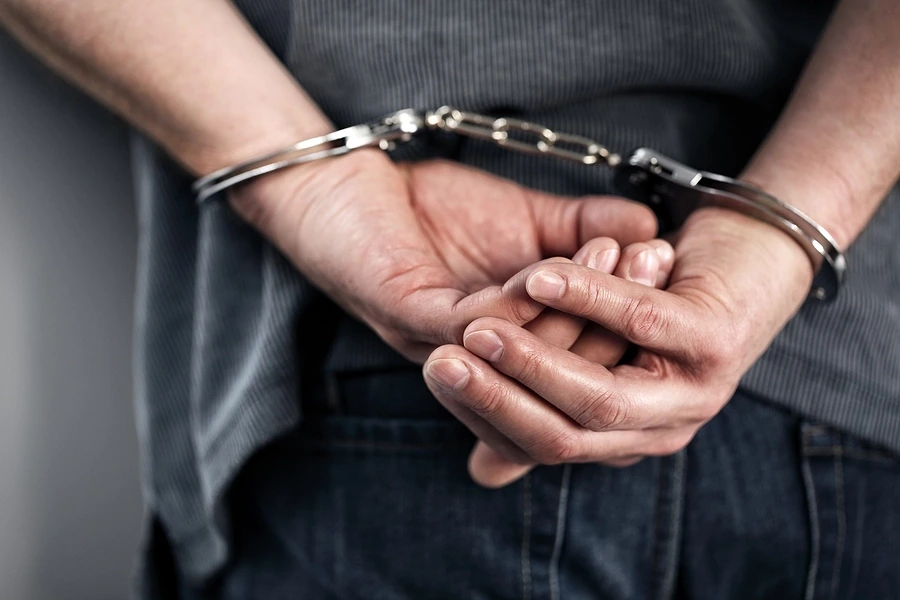
Charges involving violent crimes, such as robbery, kidnapping, or homicide, require immediate and aggressive legal representation. Holloway Law in South Carolina provides experienced defense for individuals accused of serious offenses. Our attorneys examine evidence, investigate the case thoroughly, and develop a strategic defense designed to protect your rights and your future. We understand the severity of violent crime allegations and provide clear guidance throughout the legal process. Contact 864-405-9899 to schedule a consultation with a dedicated violent crimes lawyer who will advocate for you.
The Role of Evidence in Violent Crime Prosecutions
Violent crime prosecutions in South Carolina rely heavily on evidence. Prosecutors must prove guilt beyond a reasonable doubt, which requires strong and convincing proof. Evidence can take many forms, including physical objects, witness testimony, and digital records. Each piece has a role in how a case develops, and the way it is presented often determines the outcome. For anyone facing charges, understanding how evidence is used in court can provide insight into the challenges ahead and highlight the importance of skilled legal representation.
Understanding What Counts as Evidence
Evidence includes anything that can help prove or disprove a fact in a criminal case. In violent crime prosecutions, this often includes weapons, fingerprints, surveillance footage, DNA, and statements from witnesses. It may also involve more modern forms of evidence, such as text messages, social media posts, or GPS data. The law recognizes both direct evidence, such as a witness saying they saw the crime happen, and circumstantial evidence, which requires the jury to make inferences.
The amount and quality of evidence can vary widely from case to case. Some prosecutions rely on physical proof, while others depend almost entirely on testimony. Defense attorneys often focus on questioning whether the evidence is reliable, properly collected, or sufficient to meet the burden of proof.
Physical Evidence in Violent Crime Cases
Physical evidence often plays a central role in prosecutions. This may include weapons, clothing, or items found at the crime scene. DNA and fingerprint analysis are also common, particularly in cases involving assaults, robberies, or homicides. Forensic testing can strengthen a case, but it must be handled carefully. Errors in collection, storage, or testing can lead to contamination, which weakens reliability.
The chain of custody is especially important. Prosecutors must show that physical evidence was collected, stored, and tested in a way that prevents tampering or mistakes. If gaps exist in the chain, defense lawyers may argue that the evidence cannot be trusted.
Testimony and Witness Statements
Witnesses often provide key testimony in violent crime cases. This may include victims, bystanders, or law enforcement officers. Their accounts can be powerful, but they are not always accurate. Stress, fear, and time can affect memory. Mistaken identification is a known problem in criminal cases, particularly when witnesses are asked to identify suspects in lineups or photographs.
Defense lawyers may cross-examine witnesses to test the reliability of their testimony. Inconsistent statements, bias, or lack of credibility can weaken the prosecution’s case. Even when witnesses are certain, their accounts must be weighed against other forms of evidence.
Digital and Electronic Evidence
In modern prosecutions, digital evidence is becoming increasingly common. This may include phone records, text messages, emails, or social media activity. GPS data from phones or vehicles can also place individuals at or near a crime scene. Video surveillance and body camera footage from police officers can further support or challenge accounts of what happened.
While digital evidence can be persuasive, it is not always straightforward. Data may be incomplete, misinterpreted, or subject to questions about authenticity. Defense attorneys may challenge how digital evidence was obtained, whether it was properly preserved, or whether it was taken in violation of constitutional rights.
Expert Testimony and Forensic Analysis
Expert witnesses often play a role in violent crime cases. Forensic scientists may testify about DNA, ballistics, or toxicology results. Medical experts may explain the nature of injuries. Psychologists or other professionals may also be called to discuss issues such as intent or mental state.
While expert testimony can be persuasive, it is not immune to challenge. Defense lawyers may question the methods used, the qualifications of the expert, or whether the conclusions are supported by reliable science. In some cases, experts hired by the defense may offer alternative explanations.
How Evidence Affects the Burden of Proof
The prosecution must prove every element of the crime beyond a reasonable doubt. This is the highest standard in the legal system. Evidence is what allows them to meet that burden. If proof is weak, incomplete, or unreliable, the defense can argue that doubt remains. A single missing or questionable piece of evidence can create enough uncertainty to change the outcome of a case.
The defense does not need to prove innocence. Instead, the role of the defense is to challenge the prosecution’s evidence, raise questions about its reliability, and ensure that the jury understands when reasonable doubt exists.
Exclusion of Evidence
Not all evidence collected by law enforcement is admissible in court. The Constitution protects individuals from unlawful searches and seizures, meaning police must follow strict rules when gathering proof. If evidence is obtained illegally, it may be excluded from trial. This is known as the exclusionary rule.
For example, if police search a home without a warrant or valid exception, any evidence found may not be allowed in court. Similarly, if a suspect’s statements are taken without proper Miranda warnings, they may be excluded. A defense lawyer plays a critical role in identifying when these constitutional violations occur.
The Role of Defense Lawyers in Evidence Challenges
Defense attorneys in South Carolina violent crime cases focus heavily on evidence. They review how it was collected, whether it was properly handled, and if it meets the legal standards required for trial. They may file motions to suppress certain evidence or challenge the credibility of witnesses. In some cases, they may present their own evidence to counter the prosecution’s claims.
Their role is not simply to respond to the state’s case but to actively question whether the evidence presented is strong enough to support a conviction. This can include bringing in expert witnesses, conducting independent investigations, and exposing weaknesses in forensic or testimonial proof.
Evidence is at the heart of violent crime prosecutions in South Carolina. From physical objects and witness testimony to digital data and expert analysis, every piece plays a role in how a case unfolds. The prosecution relies on evidence to prove guilt beyond a reasonable doubt, while the defense works to show that doubt remains. For anyone facing charges, the strength of the evidence often determines the outcome, which is why having an experienced defense lawyer to examine and challenge it is essential.
Defend Your Future With a Violent Crimes Attorney in South Carolina
Violent crime charges, including robbery, kidnapping, or homicide, require immediate and aggressive legal representation. Holloway Law in South Carolina provides experienced defense for individuals accused of serious offenses. Our attorneys examine evidence, investigate all aspects of the case, and develop strategic defenses to protect your rights and freedom. We provide guidance through every stage of federal or state proceedings while advocating for the best possible outcome. Call 864-405-9899 to schedule a consultation with a skilled violent crimes attorney who will fight to defend your interests.
