Defending Against Alleged Parole Violations
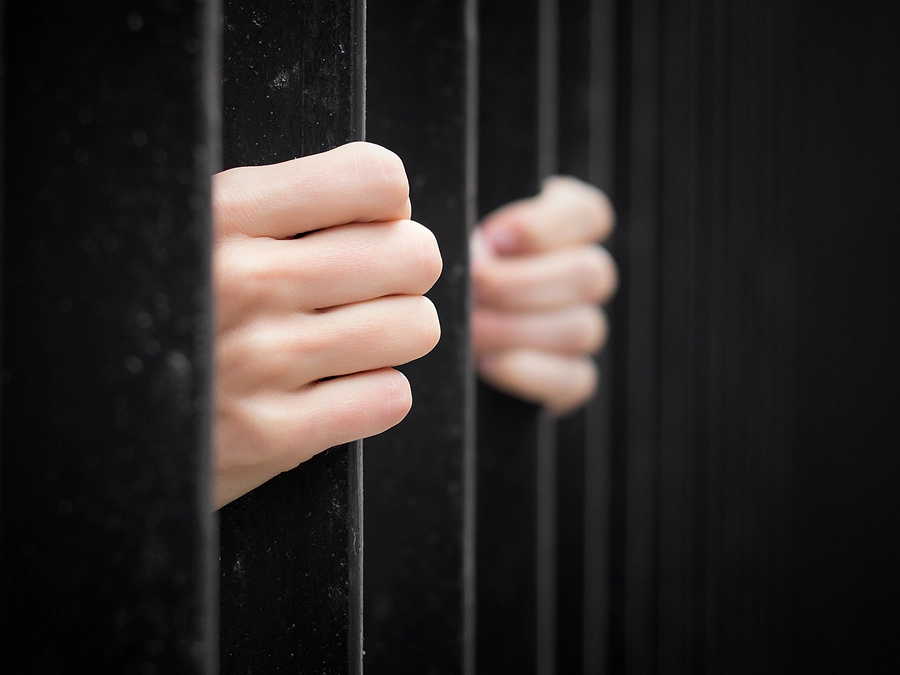
For many individuals who have served time in prison, being granted parole represents a second chance. It allows them to reenter society under supervision and begin rebuilding their lives. However, that opportunity comes with strict rules and conditions. When a person is accused of violating parole, the consequences can be serious. A simple misunderstanding or minor mistake can lead to re-arrest, loss of freedom, or even a return to prison.
If you are facing allegations of a parole violation in South Carolina, it is important to understand how the process works, what rights you have, and how a criminal defense lawyer can help protect your future.
Understanding Parole in South Carolina
Parole is not the same as a complete release from a prison sentence. It allows an individual to serve part of their sentence under supervision outside of prison walls. The South Carolina Department of Probation, Parole and Pardon Services (SCDPPPS) oversees the parole system.
When someone is granted parole, they agree to comply with specific conditions, such as:
- Reporting regularly to a parole officer.
- Maintaining lawful employment.
- Avoiding criminal activity or drug use.
- Staying within approved geographic boundaries.
- Paying fines, restitution, or supervision fees.
- Refraining from contact with certain individuals or locations.
Failure to meet these obligations can trigger a violation allegation.
Types of Parole Violations
Parole violations fall into two main categories—technical violations and substantive violations.
- Technical violations occur when a parolee breaks one or more conditions of their release but does not commit a new crime. Examples include missing an appointment with a parole officer, failing a drug test, or moving without permission.
- Substantive violations happen when the parolee is charged with a new criminal offense. These are viewed as more serious and can lead to immediate revocation of parole and new criminal charges.
Even minor technical violations can have serious consequences, especially if the parolee has prior infractions or a history of noncompliance.
What Happens When a Violation Is Alleged
When a parole officer believes that a violation has occurred, they can issue a warrant or file a report recommending revocation. The parolee is typically taken into custody and notified of the alleged violation.
The process then moves through several stages:
- Preliminary hearing. This hearing determines whether there is probable cause to believe a violation occurred. It is not a full trial but a review of the evidence. If probable cause is found, the case proceeds to a final revocation hearing.
- Revocation hearing. At this stage, the South Carolina Board of Paroles and Pardons decides whether the violation occurred and what consequences should follow. The parolee has the right to present evidence, call witnesses, and be represented by an attorney.
The hearings are less formal than criminal trials, but they still require preparation and a clear understanding of the law. The burden of proof is lower than in a criminal case, meaning the state only needs to show that it is “more likely than not” that a violation occurred.
Possible Outcomes of a Parole Violation Hearing
After reviewing the evidence, the Parole Board may choose one of several outcomes:
- Continue parole with a warning. This happens when the violation is considered minor or unintentional.
- Modify parole conditions. The Board may impose additional requirements, such as more frequent check-ins or mandatory counseling.
- Suspend parole. The parolee may spend a short period in custody before being reinstated.
- Revoke parole. This is the most severe outcome and means the individual must return to prison to serve the remainder of their original sentence.
The decision depends on several factors, including the nature of the violation, the parolee’s history, and whether the violation involved a new crime.
Defending Against Parole Violation Allegations
Being accused of violating parole does not automatically mean your release will be revoked. There are several defenses and strategies that may apply, depending on the circumstances.
- Lack of evidence. The parole officer or the state must prove that the violation occurred. If the evidence is weak or based on hearsay, your attorney can challenge its validity.
- Mistaken identity or false allegations. Sometimes violations are reported incorrectly, especially if they involve new criminal charges that have not been proven.
- Unintentional or unavoidable circumstances. Life events such as illness, transportation problems, or emergencies can lead to missed appointments or late reports. Demonstrating that the violation was not willful can help your case.
- Compliance with the spirit of parole. If you have otherwise complied with parole requirements and made good progress, your lawyer can argue that continued supervision—not revocation—is a more appropriate outcome.
- New charges not yet proven. A new arrest does not equal guilt. If the alleged violation is based on pending charges, the defense may argue that parole revocation is premature.
Each case is different, so your attorney will tailor a defense strategy to the facts and evidence available.
Why Legal Representation Matters
Many people underestimate the importance of having a lawyer during parole hearings. Because these hearings are administrative rather than criminal, some assume they can represent themselves. However, the stakes are high—your freedom is on the line.
A criminal defense lawyer can:
- Review the alleged violations and gather supporting evidence.
- Question the validity of the state’s evidence.
- Present witnesses and documentation in your favor.
- Negotiate for leniency or modification instead of revocation.
- Ensure your due process rights are protected throughout the proceedings.
An attorney who understands South Carolina’s parole system can make a significant difference in how your case is handled and in the final outcome.
Common Mistakes to Avoid After a Parole Violation Allegation
If you are accused of violating parole, how you respond in the early stages can affect your case. Common mistakes include:
- Ignoring the violation notice. Failure to respond or appear for hearings can lead to automatic revocation.
- Arguing with your parole officer. Emotional reactions can make the situation worse. It’s better to let your attorney handle communications.
- Admitting fault without legal advice. Statements made to a parole officer or during hearings can be used against you.
- Failing to collect evidence. Keeping records of employment, counseling attendance, or other compliance measures can help prove your commitment to parole conditions.
Remaining calm and seeking immediate legal help is the best approach when facing an allegation.
The Importance of Preparation
Parole violation hearings move quickly. From the moment a warrant is issued, your time to prepare is limited. Your attorney can help you gather documents such as pay stubs, treatment records, or testimony from employers and family members. These materials can help show that you have been complying with the conditions of your parole and are working to rebuild your life.
Even small details—like showing you maintained contact with your parole officer or promptly corrected any mistakes—can help demonstrate that revocation is unnecessary.
Conclusion
Facing an alleged parole violation in South Carolina is a serious matter, but it does not automatically mean your freedom will be taken away. With the right defense and preparation, you can present a strong case to the Parole Board and show that continued supervision is appropriate.
A skilled criminal defense lawyer can help you navigate the process, challenge the evidence, and advocate for your rights. Parole is an opportunity for a fresh start, and one mistake should not erase the progress you have made.
If you are accused of violating parole, contact a criminal defense attorney as soon as possible. Acting quickly gives you the best chance to protect your freedom and work toward a fair resolution.
